







Search Results for: Layered Effect
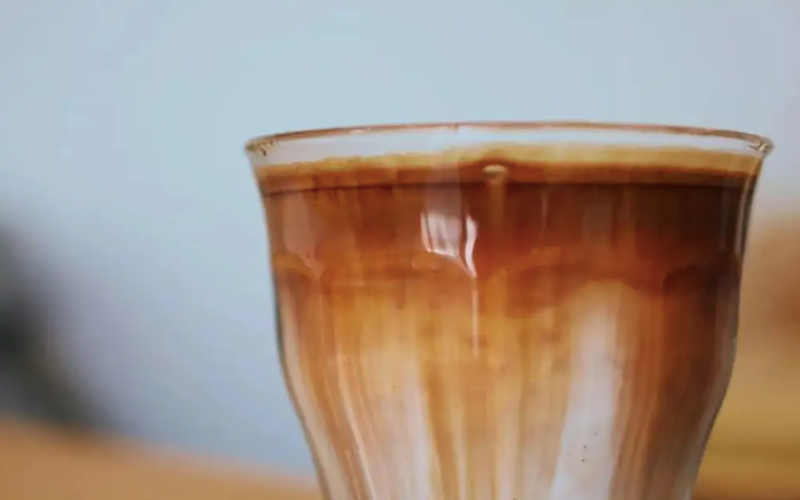
Unlocking the Ideal Methods for Dirty Coffee and Latte: Analyzing Layering Failures and Practical Tips
Do you want to recreate a beautifully layered, rich Dirty or latte at home, but always find the result far from what you get in a café? In fact, the problem may lie in a few key details: the shape of the cup, the extraction distance, the choice of coffee beans, and even the texture of the milk. This article provides a detailed breakdown of the most common reasons for failed layering in Dirty coffee, including cup selection, pouring method, coffee concentration, and milk thickness, while offering targeted operational advice. It also recommends Front Street Classic Blend and Queen's Estate SOE, which are suitable for home brewing, helping you make a Dirty or latte with both excellent visuals and flavor at home. [more…]
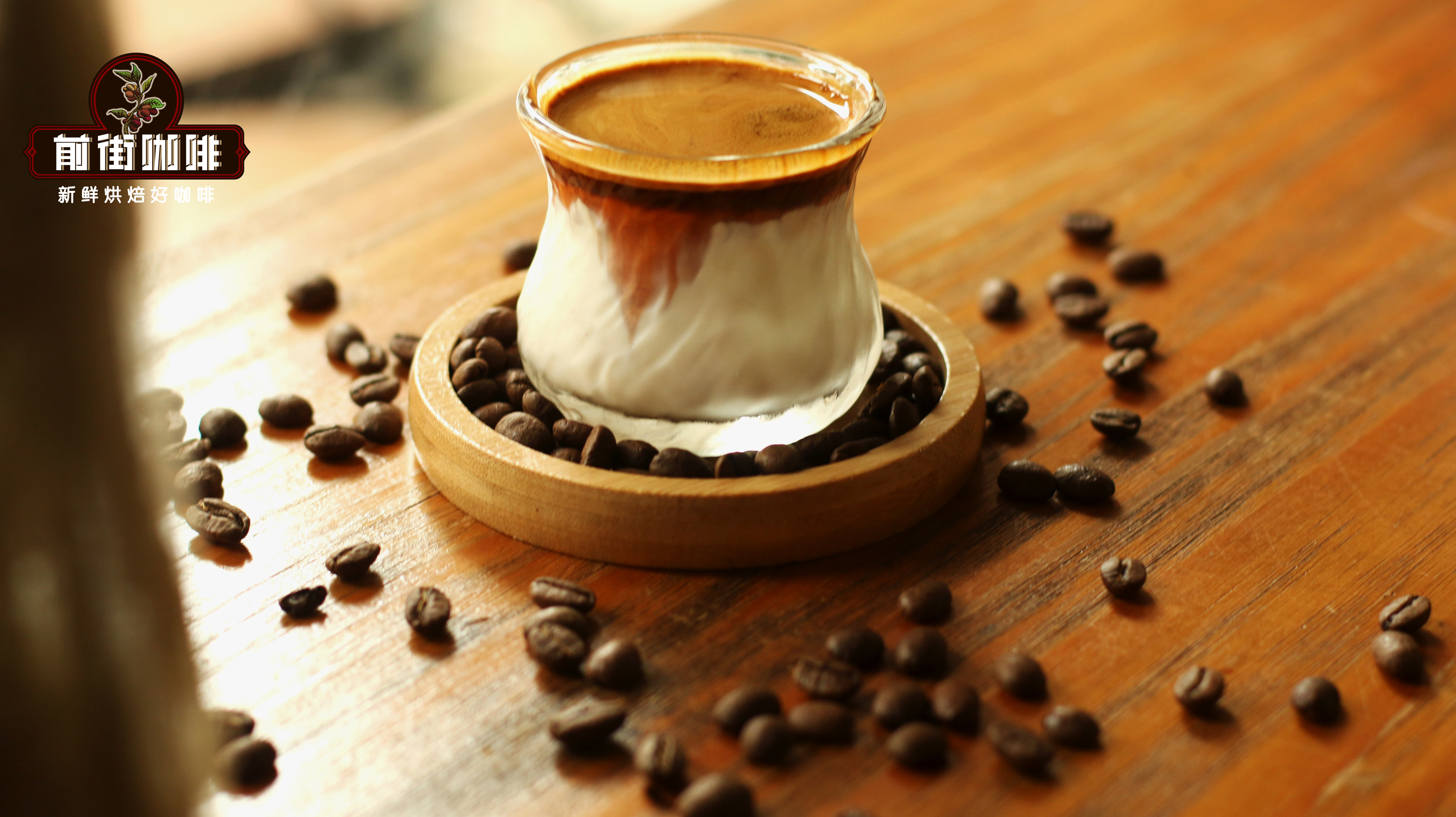
How Should You Drink a Dirty Coffee Correctly? A Full Analysis of Making Techniques and the Flavor and Mouthfeel Differences from Iced Latte
In recent years, Dirty coffee has quickly risen to fame, and many people who once loved lattes have switched camps. Unlike an iced latte, a Dirty is made by letting espresso and milk merge naturally, creating a fascinating layered gradient effect. The first sip delivers an intense coffee impact, which then turns into a smooth, sweet milky aroma—a true feast for both the eyes and the palate. Starting from the definition of a Dirty, this article will explain in detail how to make it, three key techniques, and its essential differences from an iced latte in terms of cup volume, mouthfeel, and flavor. At the same time, Front Street Coffee will also share how to choose suitable espresso beans and milk to help you make a perfectly layered, full-bodied Dirty at home. [more…]
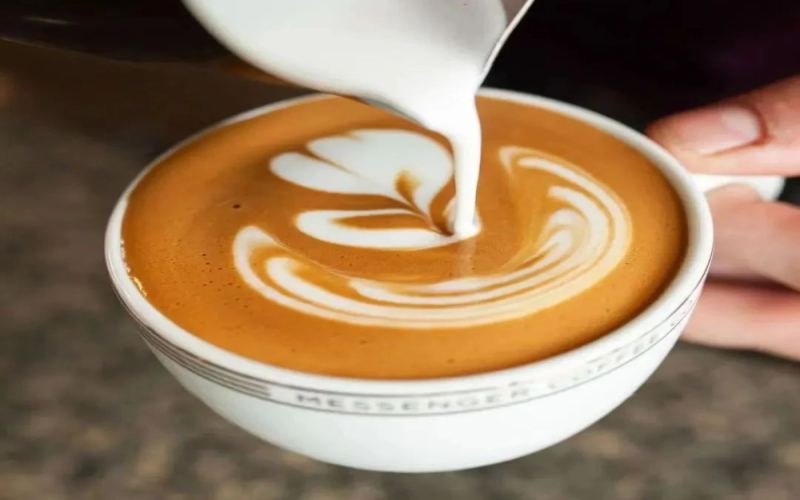
Dirty Coffee: The Making Principles and Why It Became Popular – From Espresso Layering to a Multi-Layered Taste Experience
Dirty coffee is an Italian-style beverage born from the collision of espresso and cold milk. With its slowly sinking crema layer and the alternating hot-and-cold drinking experience, it quickly rose to fame in specialty coffee shops. Starting from Front Street Coffee's brewing parameters, this article traces the origins of Dirty, including Katsuyuki Tanaka's B.P Dirty in Japan and the early practices of "layered coffee" in China, and analyzes why this small-cup coffee became a viral product: it fills the visual gap of iced coffee while offering a layered progression from hot to cold and from bitter to sweet. [more…]

Origin of the Dirty Coffee | Must you use ice bock to make a dirty coffee? How do the taste and mouthfeel of a dirty differ from an iced latte?
Dirty coffee has always existed as a hidden menu item at Front Street Coffee, because in Front Street's view, Dirty is simply a "special" way of drinking a latte. Until one day, I happened to overhear a customer explaining it to his friend, which boiled down to "Dirty is made with ice bock milk [冰博克奶] as the base, then pouring espresso over it." [more…]
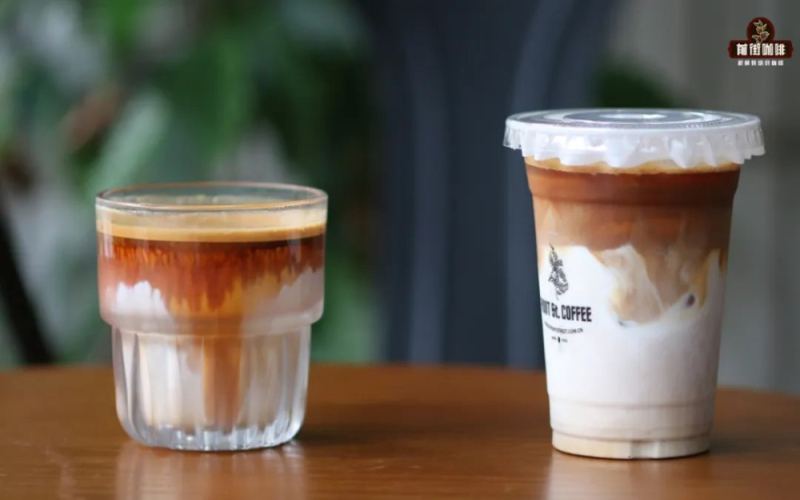
How Is a Dirty Coffee Different from an Iced Latte? A Comprehensive Analysis of the Differences Between the Two in Ratios, Methods, and Drinking Styles
Dirty coffee and iced latte look quite similar in appearance, both presenting a layered effect of espresso over milk, but they are actually different drinks. This article starts with production details such as cup size ratio, whether ice is added, cup treatment, and layering requirements, systematically sorting out the differences between Dirty and iced latte, and explaining in detail the correct way to drink each. The article also combines the flavor characteristics of coffee beans such as Front Street classic blend, specialty blend, and dark cocoa base blend to explain how to choose beans to achieve the ideal layering effect and taste experience. [more…]
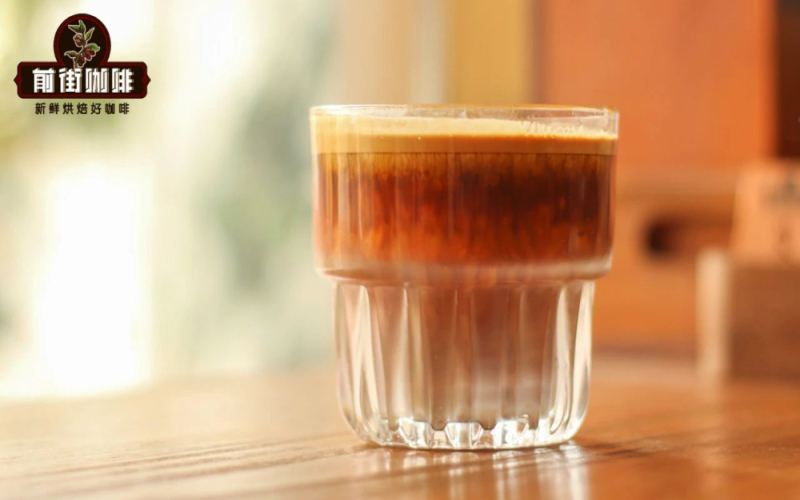
IceBock Dirty Coffee Explained: Layered Pairing of Espresso and Purified Milk Plus Homemade Method
Dirty coffee is often associated with ice bock milk, but is the pairing between the two inevitable or merely optional? From the perspective of Front Street Coffee, this article sorts out the origins and characteristics of Dirty coffee, the evolution of the ice bock process from beer to coffee, and how industrial production has brought ice bock into coffee shops. It also explains in detail the specific steps for making ice bock milk at home, analyzes why it is better suited for making Dirty rather than other milk coffees, and retains Front Street brand-related recommendations and product information, providing coffee lovers with a complete ice bock Dirty guide. [more…]
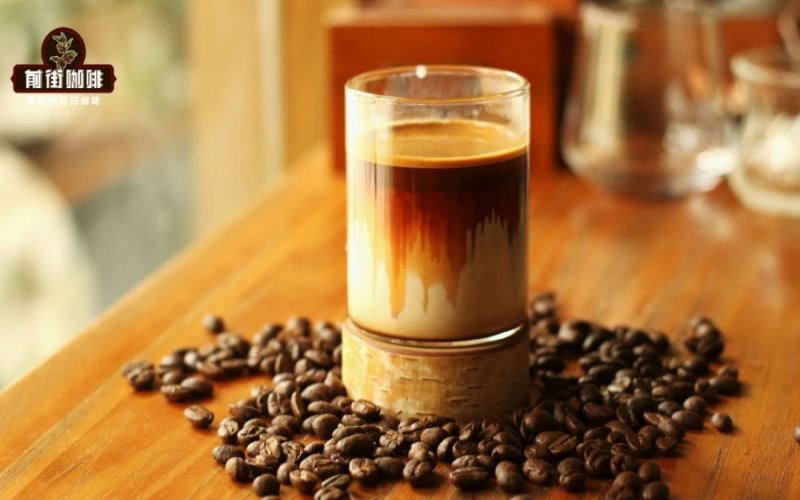
The Complete Guide to Making a Dirty Coffee: From Beans to Cup, Learn to Create an Iced-Fire Latte Overflowing with Layers
Dirty Coffee, with its gradient texture formed as espresso slowly seeps into chilled fresh milk and its unique mouthfeel of hot and cold intertwined, has become a popular style for many coffee enthusiasts to challenge themselves with at home. However, many people follow tutorials only to end up with a cloudy "ordinary latte," never achieving the layered effect. Drawing on its store production experience, Front Street Coffee breaks down the key factors affecting Dirty's layering one by one—from coffee bean roast level, cup selection, extraction distance, and coffee liquid concentration to milk texture—and provides specific alternatives and product selection suggestions to help you reliably recreate a beautiful and delicious cup of Dirty. [more…]
A Complete Guide to Making Dirty Coffee: Recipe Tutorial, Flavor Meaning, and the Essential Difference from a Latte
Dirty coffee, with its messy visual appeal and the contrasting hot-and-cold layered texture, has become a favorite among many coffee lovers and is a hot seller at Front Street stores. However, many people who try to recreate it at home often fail to achieve the layering, with the coffee liquid mixing directly into the milk. This article breaks down the reasons for Dirty layering failures from five aspects: coffee bean selection, cup shape, extraction distance, coffee liquid concentration, and milk texture, and provides Front Street's practical experience and product recommendations. It also explains what exactly sets Dirty apart from a latte, helping you make a cup of Dirty that is both beautiful and delicious. [more…]
Why Is Dirty Coffee So Popular? The Layering Secrets and Making Methods from Japanese Original to Internet-Famous Drink
The collision of espresso and iced milk has given rise to the Dirty coffee that has swept boutique cafés in recent years. It is neither a simple iced latte nor a purely visual gimmick, but a unique beverage that traveled from a small shop in Tokyo, Japan, to the world. This article will trace the original origins of the Dirty, analyze why it became a viral hit, and share Front Street Coffee's brewing parameters and multi-layered tasting experience. Whether you want to learn about its history or plan to recreate it yourself, this article will give you the complete answer. [more…]
Must Dirty Coffee Use IceBock? An In-Depth Analysis of Its Taste Differences from Latte and Key Production Points
Dirty coffee is loved by many coffee enthusiasts for its layered visual effect and unique drinking experience, but there is often a misconception about whether it must be made with ice-bock milk. This article will sort out the origin and characteristics of Dirty coffee, compare its differences from iced latte in terms of ingredients and taste, and introduce the principles of ice-bock technology and its application in the coffee field. At the same time, regarding the selection of different coffee beans, it provides pairing suggestions related to the Front Street brand to help readers understand why ice-bock is more compatible with Dirty, as well as flexible ways to adapt it in actual preparation. [more…]
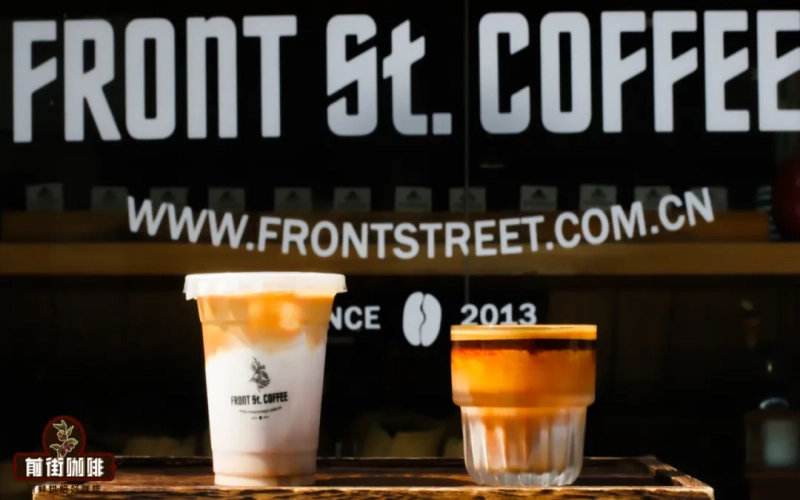
What exactly is the difference between a Dirty and an iced latte? A full breakdown of bean selection, cup size, layering, and how to drink it.
Dirty and iced latte are both combinations of cold milk and espresso, and because they look similar and use the same ingredients, they are often lumped together. But the two have significant differences in cup size, whether ice is added, cup temperature, the purpose of layering, and the way they are drunk. Dirty emphasizes taking a big gulp and experiencing the interwoven layers of hot and cold, bitter and sweet, while iced latte needs to be stirred evenly before enjoying its balanced taste. When making a Dirty, the choice of coffee beans is crucial. Front Street recommends medium-dark roasted blends or single-origin SOE beans to highlight caramel and chocolate flavors, and medium-light roasted beans can also be used to obtain fresh fruity notes. This article will, from Front Street's professional perspective, break down one by one the differences in making and tasting points between Dirty and iced latte. [more…]
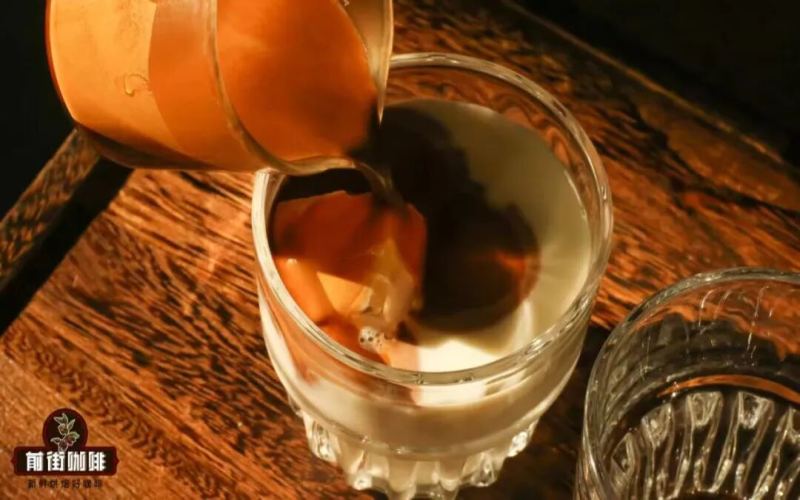
Espresso Milk Coffee | What Is a Dirty Coffee and How Does It Differ from an Iced Latte? What Are the Differences in How You Drink a Dirty and an Iced Latte?
Since the ingredients used to make a Dirty and an iced latte are exactly the same—both are iced milk plus espresso—and they look much the same, both featuring a layered structure created by the milk and the espresso, Front Street Coffee often gets asked by customers drinking iced lattes: "Both are iced milk plus espresso, so what's the difference between a Dirty and [more…]

Is a chilled glass necessary for a Dirty coffee? Testing the layering effect and key preparation points at three glass temperatures
Dirty coffee has become a staple in specialty cafes thanks to its high aesthetic appeal and unique taste, yet there has always been debate over whether an ice-cold cup is essential during preparation. Through side-by-side testing of glass cups at room temperature, refrigerated, and frozen, Front Street found that milk quality is the key to layering, while cup temperature mainly affects the chilled mouthfeel and the preservation of crema. The article also traces the practice of Dirty's originator, Katsuyuki Tanaka, who did not pre-chill his cup. If you're after photogenic presentation and a layered experience, Front Street recommends chilling the cup together with the milk and paying attention to the optimal tasting window. [more…]
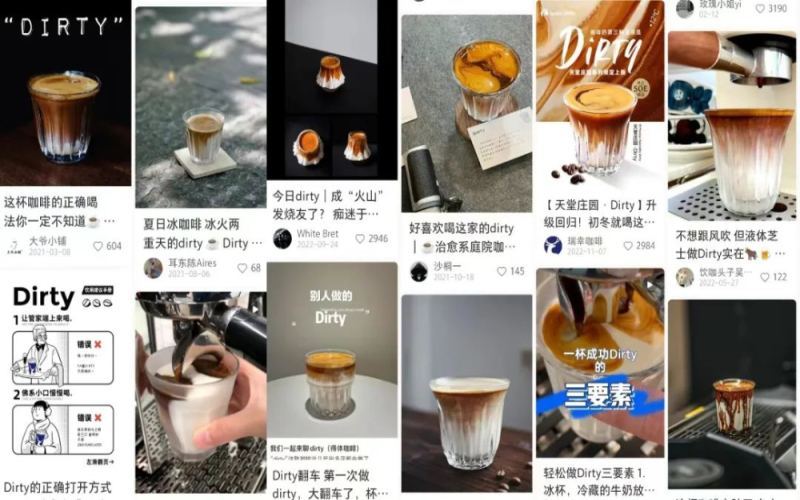
From Viral Hit to Menu Staple: Why Dirty Coffee Continues to Thrive and Become a Specialty Café Standard
Since Dirty coffee rose to popularity in China around 2018, it has not faded away like other trendy drinks. Instead, it has firmly secured a permanent spot on the menus of major specialty coffee shops, standing on equal footing with the latte. There are over 200,000 related posts on Xiaohongshu, with each tag receiving more than 5 million views. This drink, originally created by Japanese barista Katsuyuki Tanaka, forms a layered effect by pouring hot espresso over cold milk. With its unique taste combining hot and cold and the enhancement of ice-distilled purified milk, it has driven the domestic coffee market to pursue higher ingredient quality. This article will analyze why Dirty coffee has become the "beloved darling" of local specialty coffee, from its origin and spread to its production characteristics and market impact. [more…]

Dirty Coffee Recipe Tutorial | What Are the Differences Between Dirty Coffee and Iced Latte? What Are the Key Points for Making Dirty Coffee?
For more specialty coffee knowledge, please follow our WeChat official account: Front Street Coffee (FrontStreet Coffee). Dirty Coffee, with its rather playful name, is a unique coffee style; visually, the coffee looks as if it has tainted the white fresh milk, and the blend of hot and cold brings a distinctive layer. [more…]
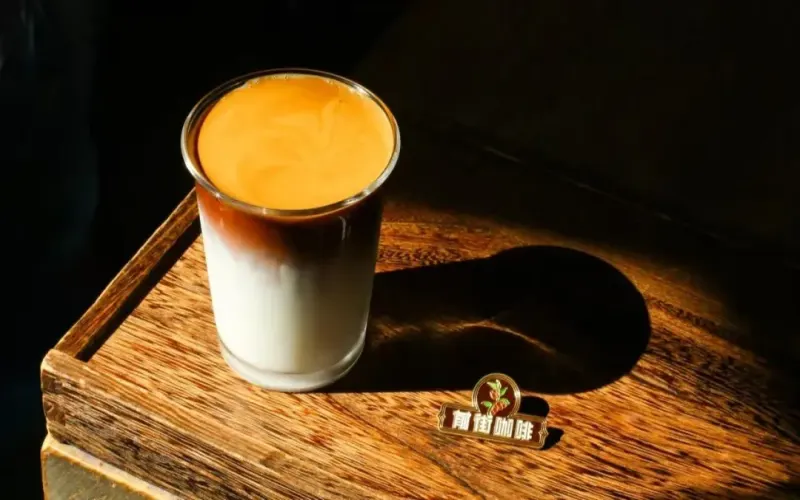
Creating a Layered Dirty Coffee: A Full Breakdown of Key Techniques from Pour Height to Milk Density
Want to make a Dirty with distinct layers, but always run into the problem of the coffee and milk blending too early, leaving the layers unclear? The key actually lies in two details: the distance the espresso falls from, and the viscosity and density of the milk itself. This article takes a practical approach and shares how to adjust the receiving height, use purified milk, chill your cups, and more, so that both the visual effect and the mouthfeel of your Dirty come closer to the ideal. It will also answer the question of whether the roast level of the coffee beans affects layering, and share Front Street Coffee's actual test conclusions to help you easily make a cup of "dirty" with true pedigree. [more…]
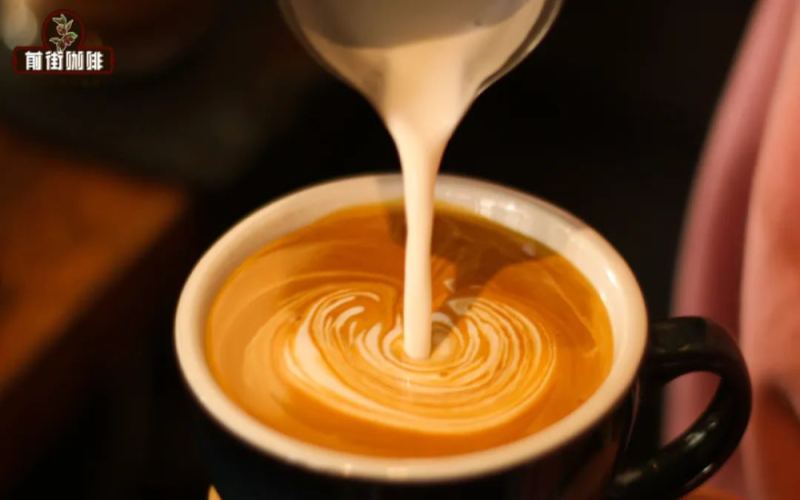
Espresso Coffee Tasting Guide: A Analysis of the Correct Ways to Drink Espresso, Dirty Coffee, and Thick-Foam Milk Coffee
Different types of espresso coffee, due to differences in their brewing techniques and presentation methods, also have their own particular ways of drinking. If tasted improperly, it is very likely that one cannot fully appreciate the unique flavor of the coffee. Front Street Coffee today will share the corresponding correct ways to drink thick milk foam milk coffee, layered coffee, Dirty, and other different types. From stirring the espresso to taking a big gulp of Dirty, every detail affects the final taste experience. Only by mastering these techniques can the characteristics of each cup of coffee be fully released. [more…]
Why can latte coffee layer? From density principles to production details, analyzing the science of a beautifully layered latte.
Latte is the starting point for many people's journey into freshly ground coffee, but do you know why a latte can present such a beautiful layering? This article begins with the historical origins of the latte and, combined with Front Street Coffee's production experience, analyzes how the density difference between espresso and milk creates the layered effect. We will also take an in-depth look at the flavor characteristics, extraction parameters, and milk frothing techniques of Front Street Sunflower Warm Sun blend beans, and compare the layering principle and drinking method of Dirty coffee. Whether you want to understand the science of lattes or want to recreate a cup of layered milk coffee at home, this article can provide you with practical reference. [more…]
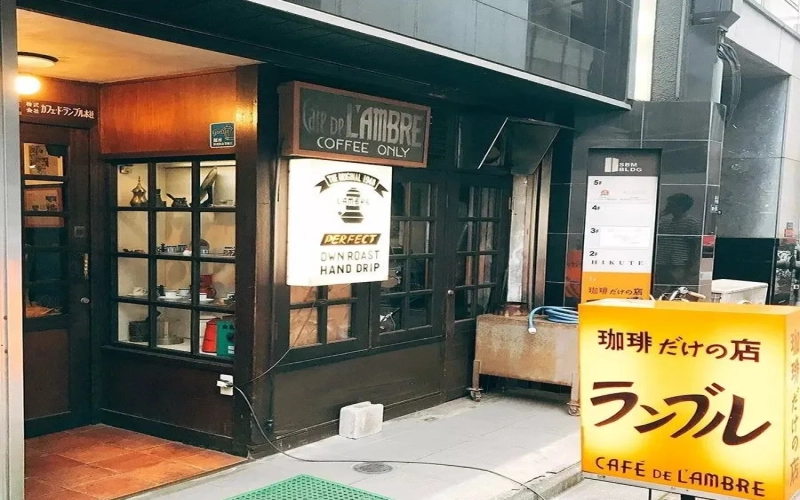
Amber Queen Coffee Recipe Tutorial: How to Recreate the Classic Layered Drink from Amber Café in Ginza, Tokyo
In Ginza, Tokyo, there is a long-established high-end coffee shop founded in 1948—Café de L'Ambre, famous for its founder Ichiro Sekiguchi's ultimate pursuit of coffee quality. But compared to the shop itself, its original drink "Amber Queen" actually enjoys greater fame. This coffee has sweetened cooled black coffee on the bottom layer, with unsweetened condensed milk floating on top; one sip lets you experience the dual flavor of coffee and milky aroma at the same time, and the visual effect is also extremely soothing. Many enthusiasts try to recreate it at home, but often encounter the problem of the condensed milk sinking and being unable to form layers. This article will share the complete method for making Amber Queen, from explaining the principles to the brewing steps, to help everyone make a cup of this classic Japanese-style coffee drink with distinct layers. [more…]
Dirty Coffee Making Tutorial | What Are the Differences Between a Dirty and an Iced Latte? Can You Make a Dirty Coffee with a Moka Pot?
Dirty coffee is espresso extracted over iced milk, creating a beautiful layered look. As time passes, the coffee liquid on top slowly encroaches on the pristine white milk, forming a lovely gradient inside the transparent glass, as if the pure white milk has been dirtied. Put simply, a Dirty coffee is a visually striking drink that [more…]